BBQ Smoking Time Calculator
Pick a cut, enter its weight and your smoker temperature, and plan the whole cook: time range, internal temperature targets, resting time and the hour to light the fire
Your Cook
Weigh the meat as it goes into the smoker, after trimming
Used to work out when to light the smoker. The meal is on the day you serve.
Expect a stall: the internal temperature often plateaus for hours at around 165 °F (74 °C) while moisture evaporates from the surface. Wrapping can shorten it, and cranking the heat can dry the meat. Cook to probe tenderness rather than to the clock, then rest the brisket wrapped in a cooler.
Planning estimate only. Real cook times vary with the meat, the smoker, the weather and how often you open the lid. Confirm doneness and food safety with a calibrated thermometer, not the clock.
Temperature Beats the Clock
The times on this page are planning ranges, not guarantees. USDA’s safe minimum internal temperatures are 145 °F (63 °C) for whole cuts of beef and pork with a 3-minute rest, 160 °F (71 °C) for ground meat and 165 °F (74 °C) for poultry. Brisket, pork shoulder and ribs are cooked far above those figures because they only turn tender once connective tissue breaks down. Use a thermometer you trust and probe more than one spot.
How to use this tool
- Choose Metric or US units and the cut: brisket, pork shoulder, spare ribs, baby back ribs or whole chicken.
- Enter the weight (not needed for ribs), the smoker temperature and the time you want to eat.
- Read the cook time range, the start window and the internal temperature targets.
- Light the fire in that window and let your probe thermometer decide when the meat is done.
Worked example
A 12 lb brisket at 225 °F runs 75–95 minutes per lb, which is 900–1,140 minutes, or 15–19 hours. Add 1–2 hours of rest and the total is 16–21 hours, so to eat at 6:00 PM you light the smoker between 9:00 PM the previous day and 2:00 AM. The tool suggests pulling brisket at 195–205 °F for tenderness, while the USDA minimum for whole cuts of beef and pork is 145 °F with a 3-minute rest (165 °F for poultry). The per-pound rates are our own planning ranges, cross-checked against published guides that often differ by 15 minutes per lb or more, so use the result as a schedule and let the probe decide.
Why this tool exists and where its numbers come from
Long smokes take 12 to 20 hours, so cooks need a time estimate to know when to light the smoker. Safe internal temperatures follow USDA FSIS; the time-per-pound ranges are the tool's own cross-checked estimates, and a thermometer decides when the meat is done.
Sources
For the full method, see the Methodology section just below.
Methodology
For brisket, pork shoulder and chicken the tool multiplies the weight by a time per pound; for ribs it uses a total time per rack. Each cut has two reference points (brisket at 225 °F and 275 °F, for example) and the rate for your smoker temperature is interpolated between them: cook time = weight × minutes per lb at your temperature. The answer is a range rounded to 5 minutes, because real cooks vary. Rest time is added, and the start window is counted backwards from your meal: latest start = serve time − (shortest cook + shortest rest) and earliest start = serve time − (longest cook + longest rest). Worked example: a 12 lb brisket at 225 °F runs 75–95 minutes per lb, which is 900–1,140 minutes or 15–19 hours. With 1–2 hours of rest the total is 16–21 hours, so to eat at 6:00 PM you light the smoker between 9:00 PM the previous day and 2:00 AM. Temperature targets follow USDA safe minimums (145 °F for whole cuts of beef and pork with a 3-minute rest, 165 °F for poultry); the higher pull temperatures are for tenderness.
Five cooks side by side, and Lucas's hotter brisket
Planning ranges from the tool at 225 °F (107 °C), except chicken at 300 °F (149 °C).
| Cut and weight | Cook time | Rest |
|---|---|---|
| Brisket, 10 lb (4.5 kg) | 12 h 30 min – 15 h 50 min | 1 – 2 h |
| Pork shoulder, 8 lb (3.6 kg) | 10 h 40 min – 16 h | 30 – 60 min |
| Spare ribs, per rack | 5 h – 7 h | 10 – 20 min |
| Baby back ribs, per rack | 4 h – 5 h 30 min | 10 – 20 min |
| Whole chicken, 5 lb (2.3 kg) | 2 h 15 min – 3 h 15 min | 10 – 20 min |
Case: Lucas wants the 10 lb brisket on the table at 6:00 PM. At 225 °F the total is 13 h 30 min – 17 h 50 min, so the smoker goes on between 12:10 AM and 4:30 AM. At 250 °F (121 °C) the rate drops to 60 – 80 min per lb: 10 h – 13 h 20 min of cooking, 11 h – 15 h 20 min with rest, a start window of 2:40 AM – 7:00 AM. At 275 °F (135 °C) it is 5:10 – 9:30 AM. He chooses 250 °F, lights up around 3:00 AM and keeps the probe in: pull at 195 – 205 °F (91 – 96 °C) when tender, and expect a stall. A planning estimate only; check doneness with a calibrated thermometer.
Measure the Heat, Handle the Heat
Three tools that make a long cook easier to monitor and safer to handle

ThermoMaven Sub-1G Smart Wireless Meat Thermometer with Standalone Base
A wireless probe with a standalone base that reports the internal temperature to your phone, so you can follow a long cook without opening the lid. The listing claims ±0.5 °F accuracy and unlimited range over WiFi.

Alpha Grillers Instant Read Meat Thermometer, Digital
A handheld probe for spot-checking tenderness and safe temperatures in several places. The listing states a 1–2 second response, a backlit display and an IP67 waterproof rating.
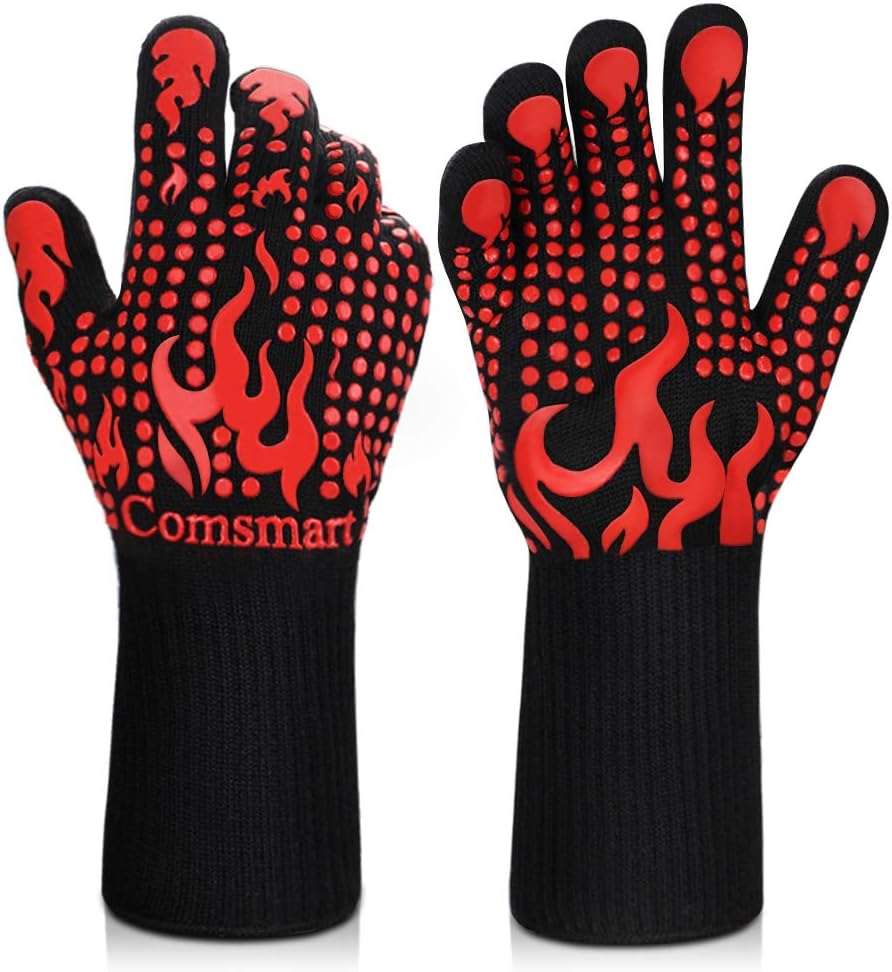
Heat Resistant Silicone BBQ Gloves, Long and Non-Slip
Long, non-slip silicone gloves for moving hot grates, pans and wrapped meat. The 1472 °F rating comes from the listing, so treat it as a manufacturer figure and stay careful around hot surfaces.
As an Amazon Associate we earn from qualifying purchases at no additional cost to you.
Frequently asked questions
How long does it take to smoke a brisket per pound? ▼
At 225 °F this tool uses 75 to 95 minutes per pound, so a 12 lb brisket takes roughly 15 to 19 hours before resting. Higher temperatures shorten the cook, though not in proportion. Because thickness, weather and the stall change the pace, plan for a window, hold the brisket in a cooler afterwards, and let probe tenderness, usually around 195–205 °F, decide when it is done.
What is the stall and how long does it last? ▼
The stall is a plateau, often around 165 °F (74 °C) internal, where evaporation from the surface cools the meat as fast as the smoker heats it. On brisket and pork shoulder it can last for hours. Waiting it out builds a deeper bark, while wrapping in butcher paper or foil pushes through sooner. The stall is the main reason these times are ranges and why the start window includes a buffer.
What internal temperature is safe, and what counts as done? ▼
USDA’s safe minimums are 145 °F (63 °C) for whole cuts of beef and pork with a 3-minute rest, 160 °F (71 °C) for ground meat and 165 °F (74 °C) for poultry. Brisket and pork shoulder are normally taken to about 195–205 °F (90–96 °C) because collagen only softens at those temperatures. That target is about tenderness, not safety. Measure in the thickest part, away from bone.
How early should I start, and how long should the meat rest? ▼
Count backwards from mealtime: cook time plus rest. Brisket benefits from 1–2 hours wrapped in a cooler, pork shoulder from 30–60 minutes, and ribs or chicken from 10–20 minutes. Starting early costs little because a finished brisket holds well in a cooler, while starting late means serving late or undercooked. The start window in your result already covers the shortest and longest case.